
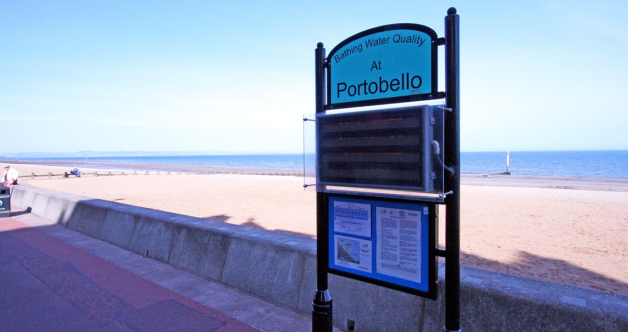
Case study: SEPA Bathing Water User Research
Background
SEPA, the Scottish Environmental Protection Agency, monitors water quality at bathing water locations around Scotland, and also provides daily water quality predictions and additional information for users. SEPA wanted to understand how this information is accessed and used, and its impact on behaviour, in order to inform future strategy.
Purpose
Scotinform was appointed to provide SEPA with insight into:
- The types and frequency of activities undertaken by people in bathing water locations
- The impact of water quality on their participation and on local businesses
- Their awareness of the work of SEPA in monitoring and predicting water quality
- How they currently obtain information about water quality and how satisfied they are with their current approach
- Usage, satisfaction with and barriers to engaging with SEPA’s water quality predictions
- Propensity to engage with water quality predictions in the future via different methods
Methodology
Scotinform undertook an online survey with bathing water communities around Scotland, making use of established networks and groups.
To capture insights from individuals outside this community, or those without digital access, a face-to-face survey of beachgoers was conducted at three locations where bathing water quality is being monitored. Awareness and usage of the information by local businesses was captured by depth interviews with companies operating out of the same three locations.
Scotinform was able to draw on our own experience as ‘wild swimmers’ to inform the research methodology. For example, the fieldwork shifts were timed to coincide with peak swimming periods, and to reflect the fact that swimmers often gather in groups and would have a small window for completing the survey before they became too cold! Luckily, we enjoyed amazing weather that greatly increased the sample size.
We were also flexible in terms of the depth interviews with businesses, in two cases visiting the locations to conduct them face to face rather than the telephone interviews originally proposed.
Impacts
The data has been used to provide feedback on the impact of current practice and to inform future strategy in terms of communication and coverage.
Why Scotinform?
We are thoughtful and practical when it comes to conducting research with real people – our experience as swimmers and walkers on the coast certainly fed into our methodology choices and fieldwork instructions.
We are flexible and willing to adapt and respond to achieve the results that are best required.
We work with you at the reporting stage to understand your requirements and create a reporting style that meets your needs.